In-Depth Guide to Proven Property Listing Methods for Home Sellers and Real Estate Agents
In the competitive landscape of real estate, successful property listing strategies are critical for property sellers and agents equally. Understanding target market demographics can considerably influence outcomes. Moreover, creating compelling descriptions and leveraging high-quality imagery are essential components. However, the nuances of timing and pricing typically determine a sale. Investigating these facets can expose strategies that boost listing success and attract prospective buyers in a dynamic market.
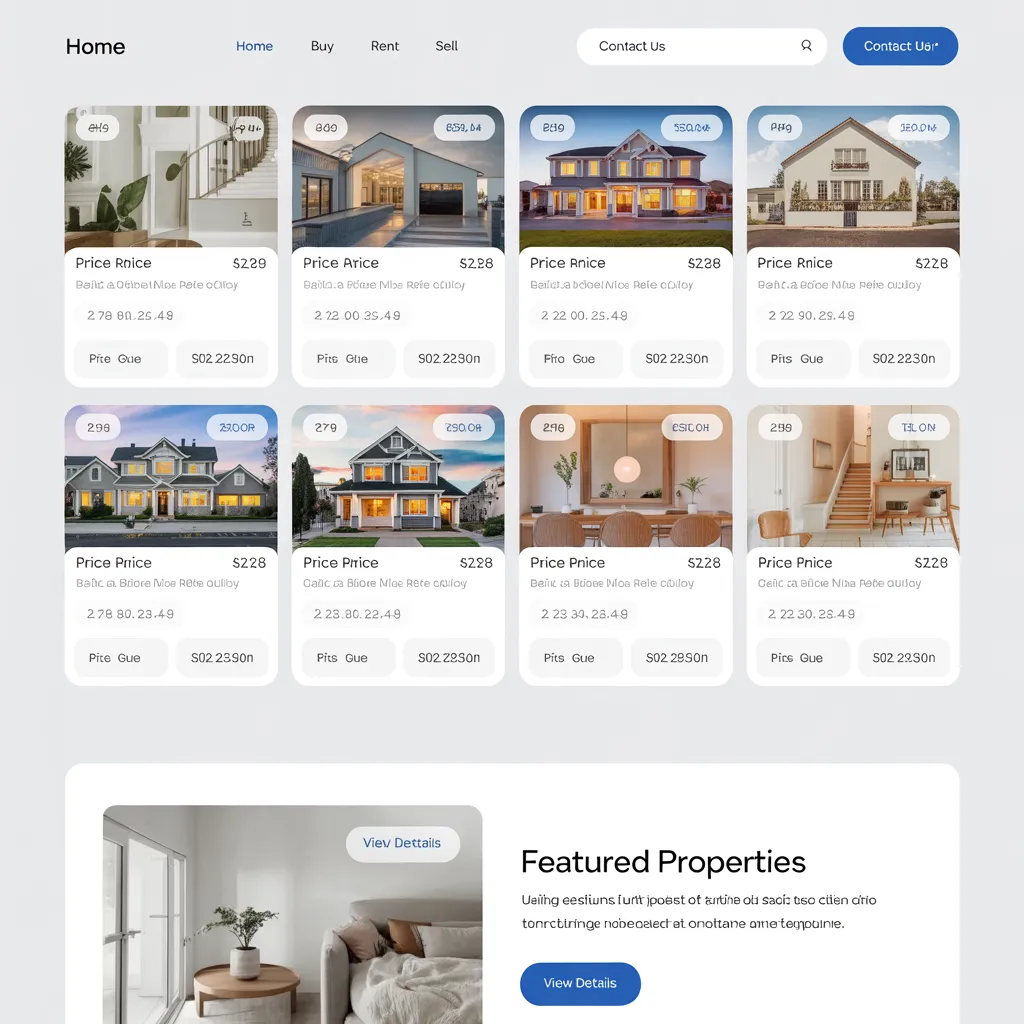
Grasping Your Intended Market
In what ways can a property seller successfully adapt their methods to draw in potential purchasers? Knowing your target market is vital for any property seller striving for achievement. By pinpointing population characteristics, preferences, and patterns of potential buyers, sellers can adjust their approaches appropriately. For example, a young family may focus on closeness to educational facilities and recreational areas, while retirees might appreciate quiet environments and convenience. Investigating regional patterns can give perspective on what elements and conveniences are desired.
Moreover, sellers should consider the emotional triggers that resonate with their target demographic. Tapping into lifestyle aspirations can elevate a property's attractiveness. Engaging with local community events or social media groups can also enhance insight into buyer preferences. At its core, a well-rounded grasp of the target market permits sellers to present their properties in a way that aligns with buyer expectations, ultimately increasing the likelihood of a successful sale.
Developing Persuasive Property Descriptions
Developing compelling property descriptions demands a keen focus on unique features that set a property apart. Vivid language plays an important role in painting a striking picture for potential buyers, while creating an emotional connection can strengthen their interest. By combining these elements successfully, listings can resonate more deeply with the target audience.
Showcase Exceptional Features
To effectively capture the interest of potential buyers, real estate agents must emphasize the unique features of a property in their descriptions. These distinctive attributes can make a listing apart from others, making it striking and attractive. Features such as custom architecture, energy-efficient appliances, or a beautifully landscaped garden can draw attention and evoke emotional responses. Additionally, any recent renovations or historical significance should be highlighted to showcase the property's value. Agents should also consider the target audience and tailor the highlighted features accordingly, whether appealing to families, young professionals, or retirees. By emphasizing what makes a property special, agents improve its marketability and boost the likelihood of attracting prospective buyers.
Utilize Descriptive Language
Rich descriptive wording works as a valuable resource in creating persuasive property descriptions that appeal to potential buyers. By employing evocative language and precise terminology, sellers can paint an enticing picture of the property. Phrases that create sensory connections—such as "luminous living quarters" or "lush, manicured gardens"—can entice prospective owners, allowing them to picture their future living in the home. Additionally, highlighting architectural details, such as "elegant granite worktops" or "beautiful architectural detailing", adds an element of refinement and charm. It is vital to preserve a genuine voice, ensuring that descriptions accurately reflect the property. Ultimately, strategically chosen terminology not only advise potential buyers but also evoke curiosity and interest, making the property stand out in a competitive market.
Develop Deep Connections
A property description that engages the emotions of potential buyers can greatly enhance its appeal. Through crafting stories that inspire sensations of coziness, happiness, and connection, property owners can establish a striking portrayal that engages with buyers. Portrayals should showcase special attributes—including a welcoming fireplace or bright outdoor space—whilst creating an image of ordinary moments, encouraging purchasers to imagine themselves in the home. Leveraging sensory expressions can further deepen emotional relationships; noting the fragrance of hot coffee preparing in the kitchen or the echo of merriment in the living area can render a property feel welcoming. In the end, building a powerful narrative turns a standard listing into an opportunity, inspiring prospects to imagine their tomorrow in the residence.
The Strength of Quality Photography
While various aspects influence the successful promotion of a property, superior photography appears as a vital factor that can greatly influence potential buyers. Expert photography captures a home's true character, highlighting its best features and forming a persuasive visual account. When implemented effectively, quality photographs can inspire emotional responses, making it more straightforward for interested buyers to picture themselves in the property.
In addition to attracting attention online, exceptional photographs enhance trustworthiness and professionalism in property listings. Prospective purchasers are more likely to engage with listings that present a polished and inviting aesthetic. Natural lighting, effective staging, and attention to detail in composition can substantially improve the overall impression of a property. Ultimately, investing in high-quality photography not only boosts the chances of a fast sale but can also result in higher offers, making it an essential strategy for home sellers and real estate agents alike.
Employing Virtual Tours and Video Marketing
Video marketing and virtual tours have emerged as essential tools in effectively presenting properties. Their ability to offer an immersive experience permits potential buyers to explore listings from the comfort of their residences. Compelling video content additionally strengthens this approach, grabbing attention while communicating the unique features of each property.
Benefits of Virtual Tours
Many real estate agents are uncovering the significant benefits of integrating virtual tours into their marketing efforts. These compelling experiences allow potential buyers to explore properties from the safety of their personal spaces, significantly elevating engagement. Virtual tours can feature a property's features in a dynamic way, providing a comprehensive perspective that traditional photos simply cannot achieve. This not only preserves time for both sellers and buyers but also draws a wider audience, including out-of-town buyers who may be unable to visit in person. Additionally, virtual tours can improve listing visibility on platforms, as properties offering such content often receive more views. By utilizing this technology, real estate agents can streamline the buying process and improve the overall marketing effectiveness of their listings.
Compelling Video Content Tactics
In what ways can real estate agents leverage engaging video content to strengthen their marketing efforts? By incorporating virtual tours and targeted video marketing, agents can create captivating experiences that draw in potential buyers. Virtual tours permit viewers to explore properties at their own pace, highlighting unique features and layouts successfully. This interactive format not only increases engagement but also helps buyers imagine themselves in the space, strengthening emotional connection.
Moreover, short promotional videos featuring key property characteristics or neighborhood amenities can enhance visibility on social media platforms. Real estate professionals should prioritize high-quality visuals, concise messaging, and a strong call to action to maximize impact. By leveraging these video content strategies, agents can notably improve their marketing efforts and drive sales.
Maximizing Social Platforms and Online Platforms
When real estate experts realize the importance of reaching a more extensive audience, leveraging social media and online platforms has become essential for powerful property listings. Social media platforms such as Facebook, Instagram, and Twitter present unique opportunities to showcase properties through visually engaging content. Real estate agents can develop interesting posts, use stories, and host live virtual tours to draw in potential buyers.
Additionally, targeted advertising on these platforms permits precise audience segmentation, making sure that listings reach potential buyers actively seeking properties. Online platforms, including platforms like Zillow and Realtor.com, work as critical resources for listing properties, offering comprehensive visibility to a worldwide audience.
Incorporating user-generated content, such as customer testimonials and reviews, can additionally boost credibility. By implementing a strategic approach to social media engagement and utilizing relevant online platforms, agents and sellers can effectively amplify their property listings, ultimately enhancing interest and potential sales.
Timing and Pricing Strategies for Success
Successful property listings rely not only on effective online presence but also on strategic timing and pricing. Sellers must analyze market trends to identify optimal listing periods, often shooting for spring or early summer when buyer activity peaks. Understanding local market dynamics, including inventory levels and economic conditions, is critical in determining the right moment to list.
Additionally, pricing approach heavily affects a property's appeal. Defining a competitive price entails comprehensive research of similar sales and current listings. Overpricing may lead to extended market exposure, while pricing below value may result in losses. A properly set price can draw multiple offers, creating bidding wars.
Real estate professionals serve a vital function in guiding sellers through this process, utilizing their expertise to provide guidance on adjustments based on immediate feedback. By synchronizing timing and pricing with market conditions, sellers can boost their chances of a successful sale and achieve maximum returns on their investments.
Commonly Asked Questions
What Are the Best Days to List a Property for Sale?
Research indicates that Thursdays and Sundays are frequently viewed as the most effective days to put a property on the market. These days capture potential buyers' attention, optimizing reach during peak online browsing hours across numerous platforms.
What Should I Do About Lowball Offers From Buyers?
To manage lowball offers, it's best to remain calm, review the offer objectively, and respond with professionalism. Countering with a reasonable price or highlighting the property's value can facilitate further negotiation and potentially achieve a satisfactory agreement.
Should I Consider Staging My Home Before Putting It on the Market?
Preparing a property prior to listing can improve its attractiveness, making it more appealing to prospective buyers. This typically generates superior bids and speedier closings, as it enables purchasers to picture themselves inhabiting the home.
What Methods Work Best for Improving My Property's Curb Appeal?
To elevate a property's curb appeal, you should keep up the review article lawn, add colorful flowers, give a fresh coat to the front door, repair any visible damage, and verify that outdoor lighting is inviting, creating an attractive first impression for potential buyers.
Which Legal Disclosures Are Required for Buyers?
Sellers are required to disclose significant defects, lead-based paint in residences built before 1978, community nuisances, and any legal concerns influencing the property. Openness builds trust and safeguards sellers against future liability regarding undisclosed problems.